
Getting the Most from a 1,000‑Gallon Septic Tank
A 1,000‑gallon septic tank is commonly sized to serve a typical three‑bedroom home, but the right fit depends on how many people actually live there, which fixtures and appliances are in use, and local permitting rules. This guide explains the three‑bedroom rule‑of‑thumb, shows how gallons‑per‑day (GPD) calculations drive sizing decisions, and describes how soil tests or permit requirements can change recommendations. You’ll find step‑by‑step calculation methods, Connecticut permitting notes for Andover and nearby towns, signs that a tank might be undersized, worked examples converting bedrooms to GPD, and clear next steps — including when to call a professional. We keep useful search phrases like “1000 gallon septic tank bedrooms,” “septic tank size by bedroom,” and “Gallons Per Day (GPD)” easy to find and practical for homeowners.
How Many Bedrooms Can a 1,000‑Gallon Tank Serve?
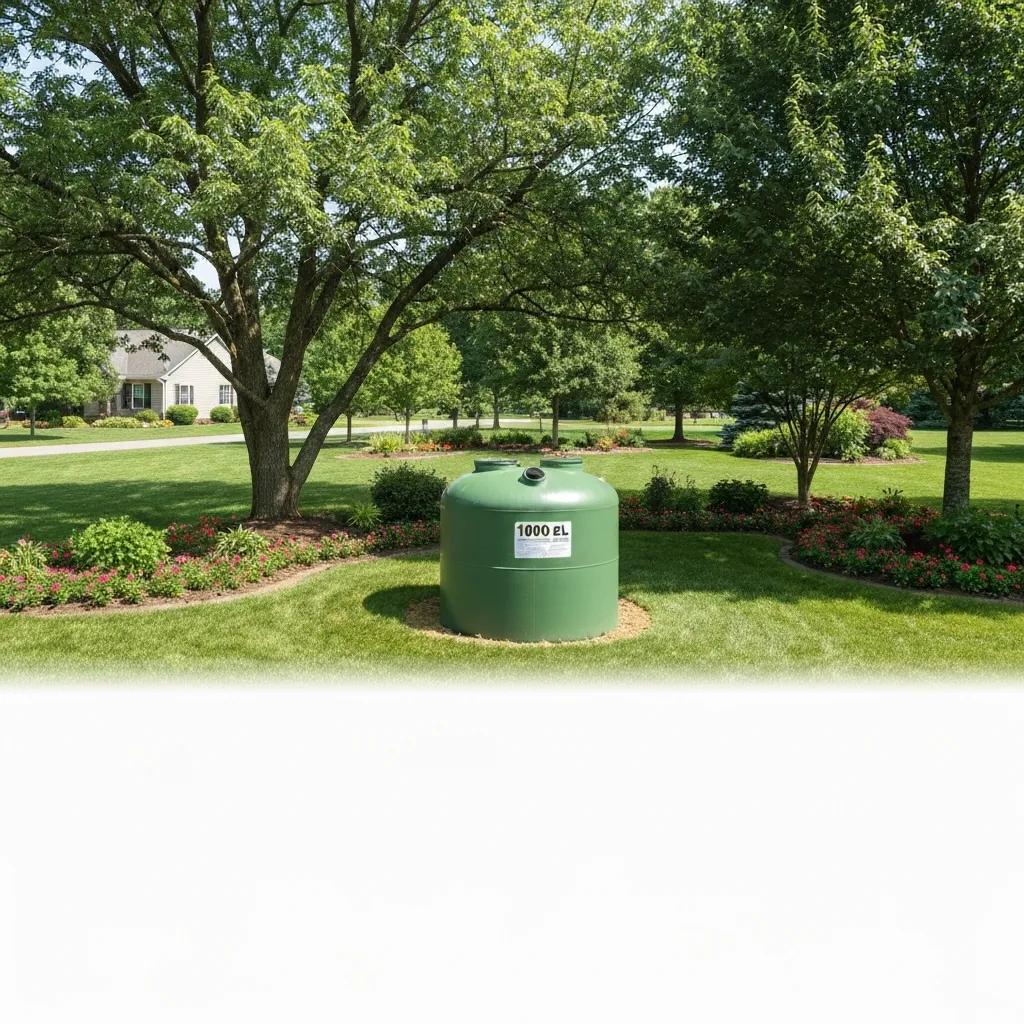
Designers often size a 1,000‑gallon tank for a three‑bedroom residence because they use conservative GPD estimates per person and factor in extra volume for solids and peak flows. The basic approach is this: estimate the household’s daily wastewater (GPD), then choose a tank that provides adequate retention time and sludge storage so the drain field receives relatively clear effluent. A 1,000‑gallon tank frequently balances cost, typical municipal minimums, and reliable operation — it can reduce pump frequency and lower the chance of short‑circuiting during busy periods. Knowing those assumptions helps you judge when a 1,000‑gallon tank is a good choice and when an upsized or engineered system might be needed.
Typical Bedroom Count Supported by a 1,000‑Gallon Tank
Many designers assume about two people per bedroom and use conservative per‑person GPD figures, which is why a 1,000‑gallon tank often lines up with a three‑bedroom home. For example, using 75–100 GPD per person (a common Connecticut range), a three‑bedroom house with six occupants would generate roughly 450–600 GPD — a daily flow that many conventional 1,000‑gallon tanks can handle when the drain field and soil conditions are suitable. Homes with high‑flow appliances, accessory units, or multiple garbage disposals are common exceptions; in those cases designers may specify a larger tank or shorter pumping intervals. Bedroom count is a useful starting point but not the final sizing decision.
Why Designers Recommend 1,000 Gallons for Many 3‑Bedroom Homes
The practical and regulatory reasons for choosing a 1,000‑gallon tank for three‑bedroom homes focus on retention time, sludge storage, and conservative GPD estimates that accommodate peak use. More tank volume improves solids settling and produces clearer effluent to the drain field. Regulators and designers also include a safety margin so systems can operate between scheduled pumpings without failing. In short, a 1,000‑gallon tank usually keeps maintenance predictable while meeting many municipal minimums intended to protect public health and the environment.
Septic Tank Design Standards: A Global Comparison
A 2012 comparison of septic design standards found meaningful differences between countries: typical design volumes and calculation methods vary with local practices, environmental conditions, and code updates. The study notes that smaller design volumes in some regions can increase the risk of malfunction when systems are undersized or maintenance is inconsistent.
Comparison and analysis of the design calculation methods of septic tank at home and abroad, 2012
This quick table sums up common assumptions so you can compare at a glance.
That comparison highlights the assumptions behind the rule of thumb and why site‑specific checks are important before relying on a single guideline.
If you’re not sure whether a 1,000‑gallon tank is right for your property, Benjamin Franklin Plumbing Andover — doing business as Benjamin Franklin Septic of Andover — can perform professional sizing checks and confirm what your local permitting office requires. We turn general guidance into recommendations tailored to your site.
How Connecticut Rules Influence Septic Size by Bedroom

Connecticut publishes statewide design guidance, but municipal health departments set local minimums and conditions that affect the final tank size — so requirements can vary by town. State guidance gives design flows per bedroom or per occupant, while local sanitarian offices require soil tests, setbacks, and system details that may force upsizing or an engineered solution. Checking local rules early avoids permit delays and ensures your system protects public health and the environment. Contact your town health department to learn which tests and documents you’ll need before installation.
Connecticut Minimums: Typical Tank Sizes by Bedroom
Many Connecticut towns treat a three‑bedroom dwelling as the point where a 1,000‑gallon tank becomes the practical minimum, though exact requirements depend on system type and drain‑field performance. The underlying logic traces back to per‑person GPD tables and the need for sufficient retention and sludge storage. Where soils are poor or dispersal area is limited, inspectors may require a larger tank or an engineered system. Because permitting is local, always confirm rules with your municipal health department to avoid costly on‑site changes after installation.
Below is a simplified mapping of common municipal practices — use it as an example and verify with your local health office.
This overview shows that municipal health officials and soil/percolation results usually decide final tank size even when bedroom rules provide an initial guideline.
Permits and Inspections: What Andover and Nearby Towns Typically Require
The permitting process usually requires soil testing, perc tests, and a detailed system plan — and those site conditions determine whether a 1,000‑gallon tank will be approved. Slow perc rates, limited dispersal area, high seasonal water tables, or tight setbacks can lead an inspector to require a larger tank or an engineered system (for example, a mound). Following the permit process produces a system built to last and avoids environmental problems. Bringing a qualified designer or installer in early helps incorporate regulatory limits into the design and reduces the chance of rework after inspection.
Factors That Change How Many Bedrooms a 1,000‑Gallon Tank Can Support
Non‑regulatory factors also affect how well a specific 1,000‑gallon tank performs: actual occupancy, appliance and fixture use, and drain‑field and soil performance. The technical concern is hydraulic and solids loading — higher peak flows shorten retention time and can push solids into the drain field, increasing failure risk and pump frequency. Reviewing these factors helps you choose the most cost‑effective path: keep a 1,000‑gallon tank with more frequent maintenance, upsize the tank, or change household habits to reduce loads.
Key items to check before assuming a 1,000‑gallon tank is sufficient:
- Household occupancy patterns: The actual number of residents and overnight guests determine daily flows.
- Appliances and fixtures: Garbage disposals, multiple showers, and frequent laundry increase GPD and solids.
- Soil and drain‑field capacity: Slow percolation or limited area reduces allowable hydraulic loading.
Those factors interact: heavy appliance use combined with poor soil commonly forces upgrades, while conservative water use and a well‑sized drain field can make a 1,000‑gallon tank work well. The next section explains occupancy and water use in more detail.
How Occupancy and Water Use Affect Septic Performance
Designers convert occupancy into GPD using ranges like 60–100 GPD per person depending on local practice; each additional person increases both average and peak wastewater, shortening retention time and raising solids sent to the drain field. High‑use habits — heavy daily laundry, long showers, or continual dishwasher runs — can materially raise GPD and push a tank toward overload. Understanding your household’s patterns helps decide whether a 1,000‑gallon tank needs upsizing or more frequent service.
How Garbage Disposals and Extra Bathrooms Change Sizing
Fixtures such as garbage disposals and additional bathrooms increase solids and hydraulic load, so designers often specify larger tanks or shorter pumping intervals. Disposals add organic solids that speed sludge buildup, while more bathrooms raise the chance of simultaneous peak flows that reduce effective treatment time. Always disclose all fixtures and intended uses during design; if you add features after installation, have a professional reassess the system to avoid premature failure.
How Homeowners Can Estimate Tank Size from Bedrooms and Water Use
You can produce a first‑pass estimate by converting bedrooms to likely occupants, choosing a per‑person GPD, adding a safety margin, and matching the adjusted total to standard tank sizes. The simple formula is Bedrooms → occupants → GPD/person → total GPD → safety margin → match to tank capacity. This method helps when reviewing listings, planning renovations, or deciding whether to call a designer.
Follow this practical step‑by‑step to make a defensible homeowner estimate:
- Count bedrooms and list likely occupants, including rental or accessory use.
- Choose a GPD per person (commonly 75–100 GPD for residential designs).
- Multiply occupants × GPD/person to get total daily flow (GPD).
- Add a safety margin (typically 10–25%) for peak usage and extra solids.
- Compare the adjusted GPD to standard tank sizes and local minimums; when in doubt, consult a professional.
Septic Tank Design Standards: A Global Comparison
The 2012 review compared septic design and calculation approaches across several countries and found that local application environments, maintenance practices, and code updates influence recommended tank volumes. Where design volumes are small and maintenance is inconsistent, the risk of malfunction increases.
Comparison and analysis of the design calculation methods of septic tank at home and abroad, 2012
Use this checklist as a repeatable method before contacting a contractor. The next section shows how those numbers map to tank choices.
Worked Example: Calculate Your Home’s Septic Needs
Start by counting bedrooms and estimating occupants, choose a conservative GPD per person, add a margin for peaks and extras, then compare the result to common tank sizes. Example: three bedrooms → six occupants × 75 GPD = 450 GPD; add a 20% margin → 540 GPD. That total typically corresponds to choosing a 1,000‑gallon tank when the drain field is adequate. Always confirm with local rules and site tests — inspectors can require larger tanks based on soil or setback constraints.
This table lays out the calculation with example inputs and outputs so you can follow the steps.
This example shows how bedroom counts translate into GPD and how those totals point to recommended tank sizes.
For site‑specific calculations, permit assistance, or design validation, Benjamin Franklin Plumbing Andover — operating as Benjamin Franklin Septic of Andover — can perform inspections and calculations to confirm DIY estimates and guide you through municipal permitting. We convert homeowner estimates into permit‑ready plans and coordinate required testing so your system meets local approval.
Why Gallons Per Day (GPD) Matters
GPD is the metric that links people to system design: it measures the daily wastewater volume the tank and drain field must handle. The relationship is straightforward — more occupants raise GPD, which requires larger tanks, bigger drain fields, or additional treatment to keep effluent acceptable. Per‑person GPD ranges and safety margins determine which standard tank sizes apply and how often you’ll need pumping. The core rule: tanks must provide enough retention time at the design GPD for solids to settle; if GPD increases, retention time falls unless tank size increases.
Signs a 1,000‑Gallon Tank May Be Undersized
An undersized tank usually shows operational problems caused by hydraulic or solids overload: backups, slow drains, odors, and surface pooling. These symptoms result from reduced retention time and solids escaping the tank, which clogs the drain field and creates health and environmental hazards. Spotting problems early lets you act — schedule pumping, cut back on water use, or call a professional to evaluate upsizing — before you face a costly failure.
Common homeowner‑visible warning signs include:
- Slow drains and gurgling in pipes: Often the first signs of restricted flow or partial blockage.
- Sewage backups in sinks, tubs, or toilets: Indicates the tank or drain field isn’t handling current flows.
- Foul odors inside or near the house: May mean effluent is surfacing or gases are escaping plumbing vents.
- Surface pooling or very green patches in the yard: A likely sign that effluent is surfacing and the drain field is failing.
If you see any of these, reduce heavy water use and contact an inspector or service provider right away. The next section explains how to choose between pumping, repair, or upgrading.
Which Symptoms Indicate Overload or Failure?
Persistent backups, strong odors, and saturated yard areas usually indicate hydraulic overload or solids reaching the drain field. When tank volume is inadequate or pumping is overdue, sludge and scum can be carried out and clog the dispersal area. It’s important to distinguish a simple plumbing clog from a system‑wide overload — the fixes differ. A prompt inspection can prevent expensive drain‑field replacement.
When to Upgrade to a Larger Tank
Consider upgrading when problems recur despite regular pumping, when occupancy increases (for example, an addition or accessory unit), or when an inspector requires a larger system because of soil or setback limits. Balance the cost of an upgrade against repeated repairs and reduced property use — often upsizing pays off if household demand has grown. Keep records of recurring issues and get professional load calculations and permit advice before making changes.
Septic Tank Design Standards: A Global Comparison
The 2012 comparative study highlights how differing codes, site management, and maintenance practices affect recommended tank volumes. Where design volumes are small or codes lag, the chance of system problems rises — reinforcing the importance of proper sizing and upkeep.
Comparison and analysis of the design calculation methods of septic tank at home and abroad, 2012
If you’re seeing warning signs, Benjamin Franklin Plumbing Andover — operating as Benjamin Franklin Septic of Andover — offers inspection and pumping services to determine whether the issue is undersizing or deferred maintenance. We’ll recommend repair or installation options to resolve persistent problems.
How Benjamin Franklin Septic of Andover Helps with Sizing and Installation
Benjamin Franklin Plumbing Andover, doing business as Benjamin Franklin Septic of Andover, serves homeowners evaluating or upgrading septic systems across Tolland, Hartford, New London, Middlesex, and Windham counties in Connecticut. We provide septic installation, pumping, inspection, maintenance, and repair, plus 24/7 emergency response. Our process combines site evaluation, load calculations, and permitting coordination so installations meet local health department requirements and deliver long‑term performance. Working with us gives you a single point of contact for sizing, testing, and maintenance planning to keep your system running reliably.
Core services and how each protects performance and compliance:
- Septic system installation: We design and install tanks sized to your household and site so capacity matches demand.
- Pumping and inspection: Regular pumping and visual checks catch sludge and scum issues before they harm the drain field.
- Permit and inspection support: We coordinate required tests and paperwork with municipal health departments for smoother approvals.
How Professional Installation Ensures Proper Bedroom Capacity
A correct installation begins with a site evaluation and soil testing, then applies precise load calculations to design the tank and drain field to meet regulations and performance goals. We match your estimated GPD, seasonal high‑water tables, perc rates, and setbacks to a system that provides adequate retention time and dispersal capacity. Proper installation ensures baffles, tees, and filters work as intended and makes future upgrades easier if occupancy increases.
Maintenance That Extends a 1,000‑Gallon Tank’s Life
Regular pumping, routine inspections, and preventive tasks like filter cleaning and baffle checks are the most effective ways to preserve tank capacity and protect the drain field. Preventive maintenance removes accumulated sludge and scum, producing cleaner effluent and reducing the chance of drain‑field clogging. Pumping intervals depend on household size and solids load, but a scheduled plan and periodic inspections cut down on emergency repairs. If something sudden happens, our 24/7 emergency response limits damage and health risks.
This final section ties the sizing and maintenance guidance above to practical services — so you can make an informed choice and, when needed, call a local team to handle the rest.